

Creating a Culture of Gratitude Through Intention and Strategy
In our daily lives, when we experience consistent expressions of appreciation, recognition and validation, we feel seen and valued. The same is true of our donors, volunteers, staff and partners. By continuously creating spaces where expressions of gratitude are ingrained in our process, we nurture a Culture of Gratitude within our organization. We shift from transactional expressions of thanks to genuine community-building recognition for time, treasure, talent and testimony. In turn, our community of supporters feel supported, connected, motivated and validated. As Sharon Tiknis reflected in Gratitude as a Strategic Choice:
“[Gratitude] allows nonprofit institutions—and the civil society they support—to reflect honestly on impact while remaining grounded in shared values and responsibility. ”
Gratitude as a Strategy
But beyond our understanding of acknowledgement and recognition best practices, how can we establish and maintain a Culture of Gratitude? Like many of you, Alford Group continues to uplift the “Rule of 7” as a best practice. The Rule of 7 encourages development shops to send donors and funders seven acknowledgements and touchpoints across the year following their commitment. Essentially, this donor retention strategy creates a systematic approach to stewardship. And as I love to say, this year’s stewardship is next year’s cultivation, meaning, our ability to intentionally and thoughtfully connect with donors and funders seven times throughout the year, lays the groundwork for a strong and non-transactional engagement journey. As we continuously reach out to express our organization’s gratitude, impact stories and updates, we forge relationships that build trust and connection.
One way to ensure your development team maintains a Culture of Gratitude is to create an annual stewardship engagement menu to guide consistent and equitable outreach to all donors. Whether you are just starting to map this out or have a fairly well-formed, but perhaps not documented process, consider the following progressive framework:
- Strong Approach: Defined engagement tiers with identified cultivation, solicitation and stewardship activities, including but not limited to acknowledgements, thank you notes/calls, public recognition, reporting and ongoing engagement. These tiers are organized by and proportionate to giving level and/or donor profile (for example, Board members, Major Gift Donors $10,000+, Leadership Annual Fund Donors $5,000-$9,999 and $1,000-$4,999 and Annual Fund $1-$999). You might also include a tier for monthly donors at all levels and legacy/planned giving donors. Your organization may have additional constituency profiles, such as volunteers, alums, fund holders, members and/or subscribers.
- Stronger Approach: Established stewardship roadmap with identified action items (acknowledgements, thank you notes/calls, recognition, reporting, ongoing engagement) aligned with engagement tiers and noting timeline, accountabilities and responsible partners, including but not limited to staff collaborators, relationship managers, board members and other ambassadors (perhaps committee members or engaged civic leaders).
- Strongest Approach: An organization-aligned marketing and communications plan calendarized and organized by both segment (giving level and/or constituent profile) and type of outreach (events, e-blasts/newsletter, magazine, public relations, etc.) and integrated into the stewardship roadmap.
Ensuring your donors and funders hear from you consistently and non-transactionally throughout the year builds a Culture of Gratitude and recognition, reinforces their impact and the significance of their generosity and importantly, demonstrates to donors that we see them as partners in our work. This, in turn, motivates deeper engagement and improves donor retention. Send me a note if you would like to hear more about creating a stewardship engagement plan or want to chat about ways to strengthen your existing stewardship program and/or cross-department collaboration!
Recognition
A key piece we recommend in stewardship programs ties to recognition. How we recognize a donor’s or funder’s generosity may be as simple as ensuring timely and meaningful expressions of gratitude (gift acknowledgements, personalized outreach and perhaps small thoughtful gifts). However, creating public recognition (with donor or funder permission) can create validation and build credibility. Though many donors tell Alford Group they are not giving to receive recognition, most acknowledge the importance of feeling seen and of having their preferences appropriately managed.
If your public recognition program centers only on donor and funder lists in your impact report, on your website and/or onsite on a donor wall, it may be time to refresh your thinking as it aligns with your stewardship engagement menu and in support of your Culture of Gratitude. Nonprofits are activating a host of creative ways to publicly recognize their supporters that are tailored and personalized based on their impact story, affinity and connection to your mission.
A few ideas to bolster your recognition program:
- Leverage media/public relations: As appropriate, promote a donor or funder’s generosity through an external announcement of the gift and/or position and publish a storytelling narrative on a specific program or project’s progress and impact featuring the donor(s) or funder(s) through special quotes and interviews, imagery and/or video. This approach can bring donations to life for your audiences, strengthen emotional connections and build credibility, validate generosity and inspire others to give.
- Create giving circles, affinity groups and/or societies: To create a more intimate environment for donor and funder giving and recognition, you might consider if creating giving circles, affinity groups and/or societies is appropriate for your organization and your constituents. Leveraging this framework may help you strategically align donor intention and affinity to a specific cause, program, or group of like-minded donors and funders within your mission. You might think giving circles are only for grantmaking organizations; however, giving circles may be seen as an extension of benefit-aligned philanthropy. Just as a planned giving society creates a special, more personalized way to honor bequest donors and their intentions, giving circles, groups, and societies may help your donors and funders feel more valued and engaged in your mission and may lead to loyalty and longer-term support.
- Honor with an award: Many organizations take the opportunity to honor and celebrate key donor(s)/funder(s) and their commitment at special or annual events or board meetings. Recognizing donors and funders in this way validates their generosity, promotes the impact of their giving and engagement and inspires others to serve, attend and give.
- Ask to help spread the gratitude: One underutilized way to publicly recognize a donor or funder’s support is to ask them to help you say thank you to others. Whether through hand-written thank you notes or via quickly recorded video messaging, creating a space for peer-to-peer validation is an effective
So, where are you with implementing gratitude as a strategy? Are you activating any of the above strategies and/or are you offering your community of supporters other opportunities to feel your gratitude? I would love to hear how you are recognizing your donors and funders and learn more about what support and/or resources we can provide to help you on your team’s gratitude journey. Let’s connect today!
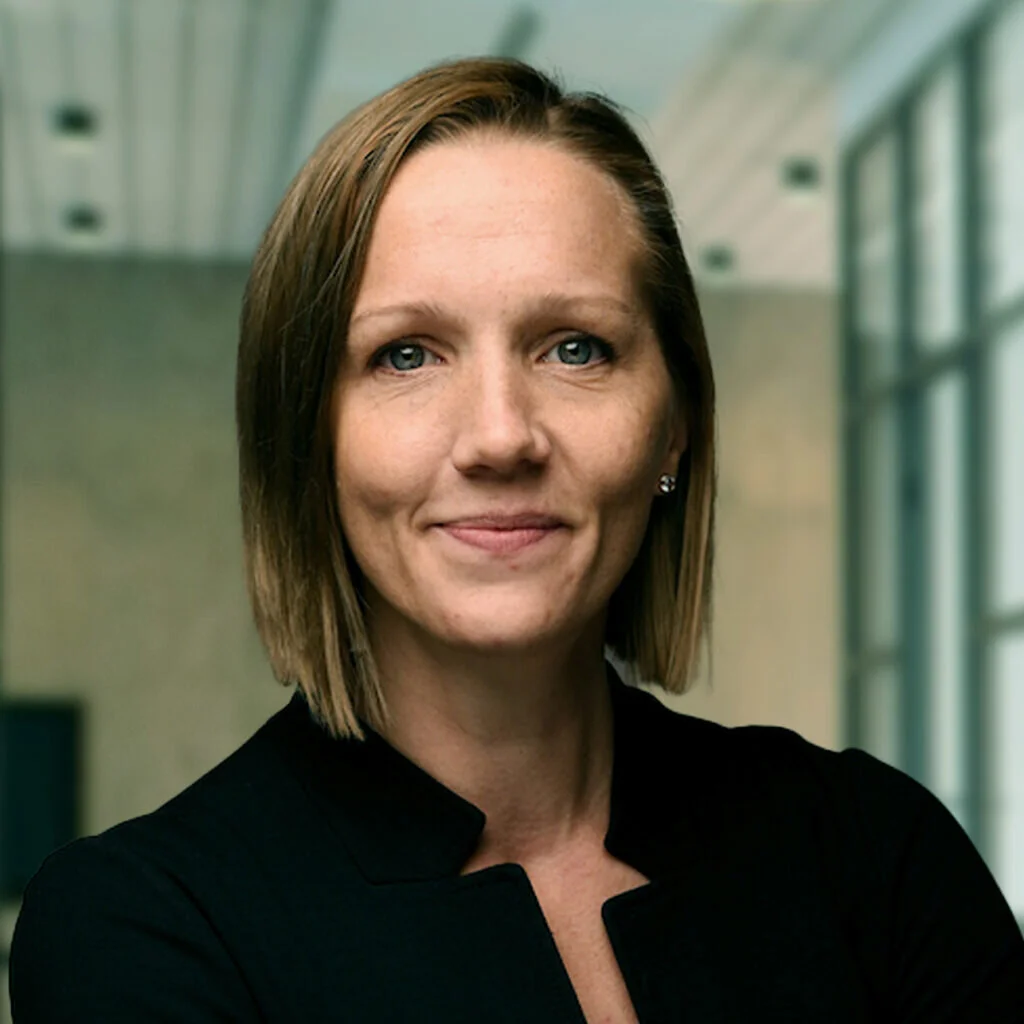
Alexis Cooke
Chief Operating Officer, Alford Group
Alexis Cooke is Chief Operating Officer of Alford Group with over 20 years of experience advancing missions through strategic fundraising, marketing and organizational development. She brings a passion for connection, creativity and collaboration to her work—loves to spend time with her family, read, garden and travel.