

Developing High-Performing Teams in Complex Environments
Reflections from AdNet 2026
There’s something uniquely energizing about being in a room full of community foundation leaders.
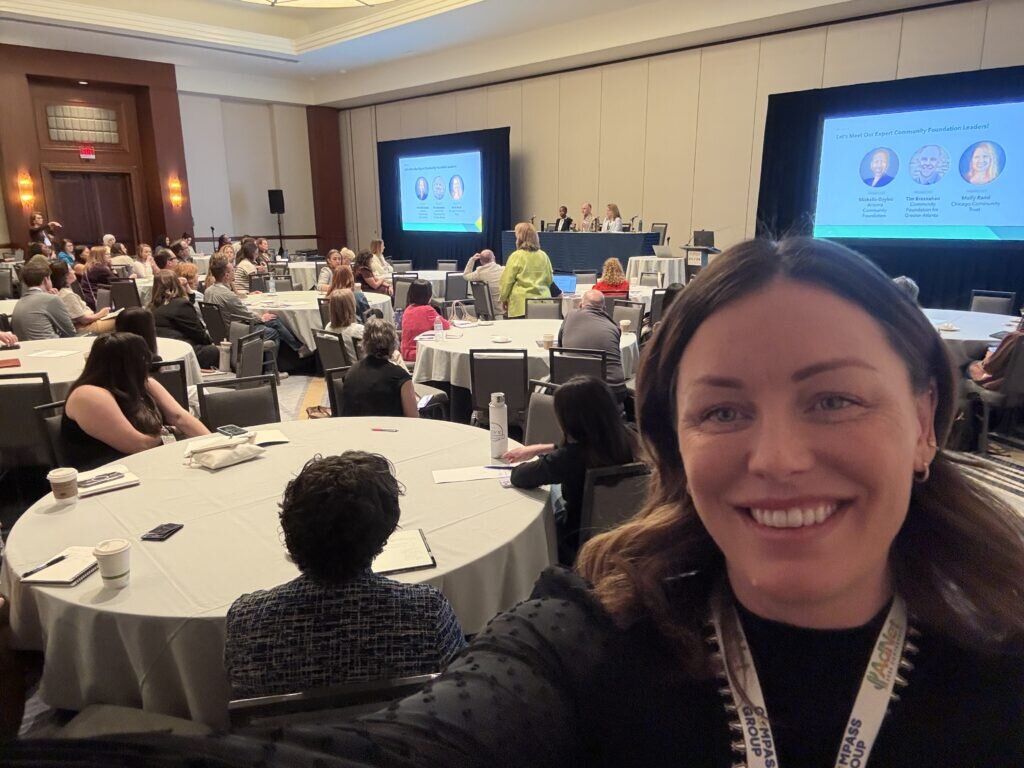
At AdNet 2026 in Phoenix, we were reminded again that this field is defined not just by the work itself, but by the people doing it. Leaders who are deeply committed to their communities. People who navigate complexity every day with thoughtfulness, humility and care. And perhaps most notably, a community that is remarkably open to sharing ideas, challenges, lessons learned and what’s still in progress.
That openness shaped our entire AdNet experience.
We had the privilege of facilitating a session on Developing and Leading High-Performing Teams in Complex Environments, and what made it meaningful was not just the content we brought, but the conversation we were able to have together.
The Reality of Leading in Complexity
One of the first things we asked the room was simple:
Where does your team experience the most complexity today?
The answers came quickly. Governance and board alignment, stakeholder expectations, pace of change, performance measurement and capacity constraints.
None of it was surprising. What stood out was how consistent the experience was across organizations.
Community foundations are being asked to do more than ever before. They are responding to evolving community needs, engaging increasingly sophisticated donors, aligning boards and staff and delivering measurable impact, all while navigating constant change.
The leadership challenge is no longer just about setting direction; it is about how we lead people and teams through that complexity while still delivering results.
What We Mean by “High-Performing”
In our work with nonprofit organizations, we have seen that high-performing teams are not defined by how busy they are or how much they take on.
They are defined by clarity.
Clarity of purpose.
Clarity of roles.
Clarity of expectations.
Clarity of how to adapt when things inevitably change.
And yet, in complex environments, clarity is often the first thing to erode.
Teams move quickly into action, launching initiatives, responding to opportunities and managing stakeholder needs without always taking the time to align on the fundamentals that make that work sustainable.
A Simple but Powerful Shift
During our session, we invited participants into a familiar scenario:
You have been asked to lead a new growth initiative, to expand philanthropic assets, deepen donor engagement and advance community impact priorities.
At the same time:
- Board expectations are high
- Multiple teams must collaborate
- Capacity is tight
- Priorities are shifting
It is the kind of environment where urgency takes over.
In those moments, many teams do what feels natural. They move faster.
What we have seen, though, is that high-performing teams do something different.
They pause, just long enough, to create clarity.
They ask:
- What does success actually look like?
- What assumptions need to be surfaced?
- Who makes decisions?
- How will we work together?
- How will we measure progress?
These questions are simple, but they are often skipped. When they are, teams experience misalignment, duplication of effort and frustration that slows progress over time.
Learning from Leaders in the Field
One of the most valuable parts of our session was the opportunity to learn alongside our panelists, Michelle Gayles of Arizona Community Foundation, Tim Bresnahan of Community Foundation for Greater Atlanta, and Molly Rand of The Chicago Community Trust.
Their insights brought this conversation to life in ways that only lived experience can.
They spoke candidly about:
- Leading through executive and organizational transition
- Managing the tension between long-standing culture and new expectations
- Navigating digital transformation and increased performance rigor
- Creating alignment across staff, leadership and boards
What stood out most was how intentional their leadership has had to become.
Tim shared the importance of stepping into both strategy and detail, recognizing that teams often need leaders to be closely engaged during periods of change, especially when clarity is still forming.
Molly spoke about transparency as a leadership practice. Not just sharing information, but creating consistent structures for communication, connection and accountability, even when it feels uncomfortable.
Michelle emphasized the role of alignment, ensuring that organizational priorities translate clearly into department-level goals and individual performance, and that teams understand how their work connects to broader impact.
Across all three, there was a shared understanding.
High-performing teams do not happen by accident.
They are built through intentional clarity, consistent communication and a willingness to adapt.
From Insight to Practice
As we reflected on both our work and the conversation with panelists, one thing became clear.
The challenge is not knowing what high-performing teams need.
It is creating the space and structure to actually build them.
That is why we developed the High-Performing Teams Toolkit, a practical resource designed to help leaders facilitate the conversations that often get skipped.
The toolkit focuses on five areas:
- Purpose and Priorities
- Roles and Decision-Making
- Ways of Working
- Performance and Accountability
- Leading Through Change
It is not a policy or a one-time exercise.
It is a working tool. Something leaders can use with their teams, boards, or cross-functional groups to create clarity, alignment and shared expectations in real time.
A Community That Leads Together
What we left AdNet with, more than anything, was a deep appreciation for this community.
There is a generosity in how community foundation leaders show up for one another. A willingness to share what is working, what is not and what they are still figuring out.
Now, more than ever, this is so important. Because in complex environments, leadership can feel isolating.
But it does not have to be.
Spaces like AdNet remind us that we are all navigating similar challenges and that we can learn faster, lead better and make greater impact when we do that work together.
A Final Thought
High-performing teams are not about perfection.
They are about clarity, alignment and the ability to adapt together.
And in a field and sector that is constantly evolving, that ability may be one of the most important leadership capabilities we can build.
We are grateful to have been part of the conversation and even more grateful to continue learning alongside this community.
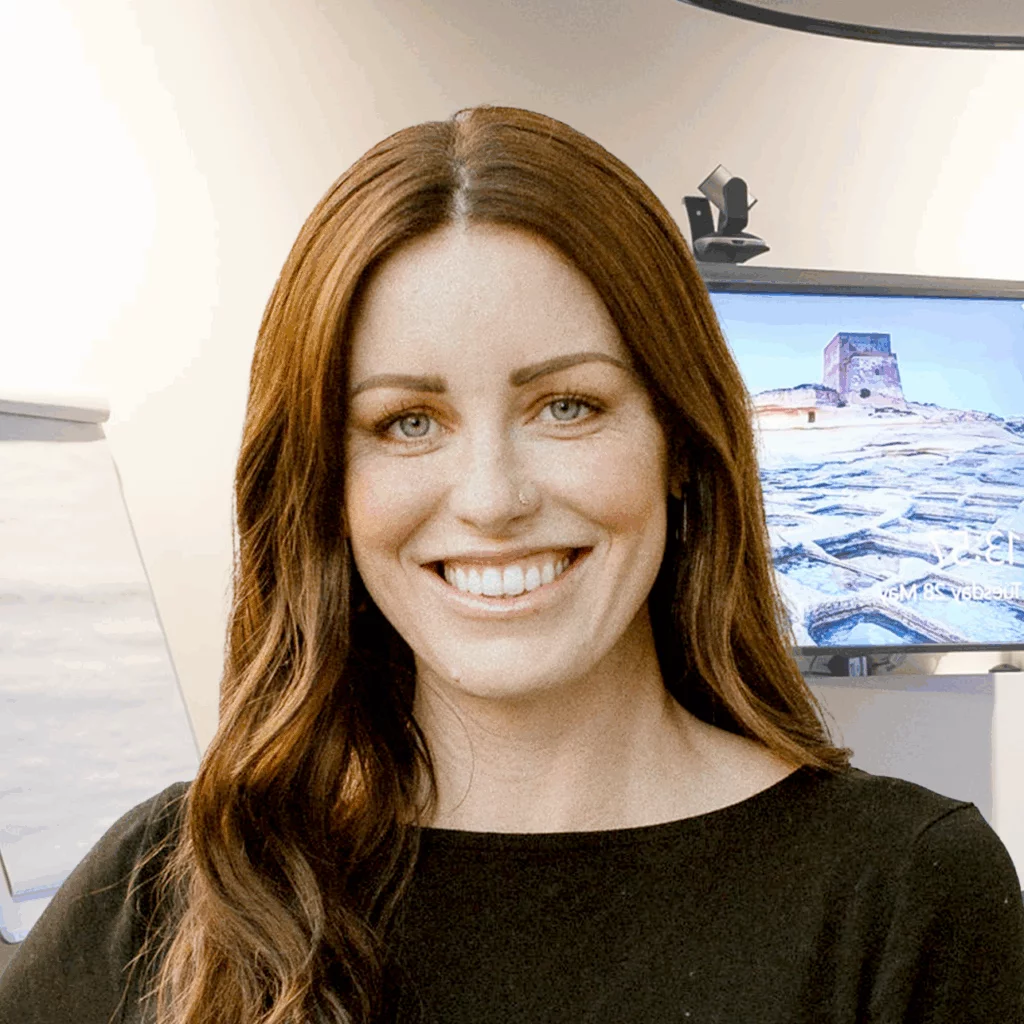
Ciara Claraty
Senior Consultant, Alford Group
Ciara Claraty has over 10 years of experience in organizational development consulting and executive coaching, working with nonprofit organizations and Fortune 1000 companies. Her projects have spanned organizations such as The Bay Church, Assemblies of God, Association of Change Management Professionals, Polycom, PG&E and Workday.
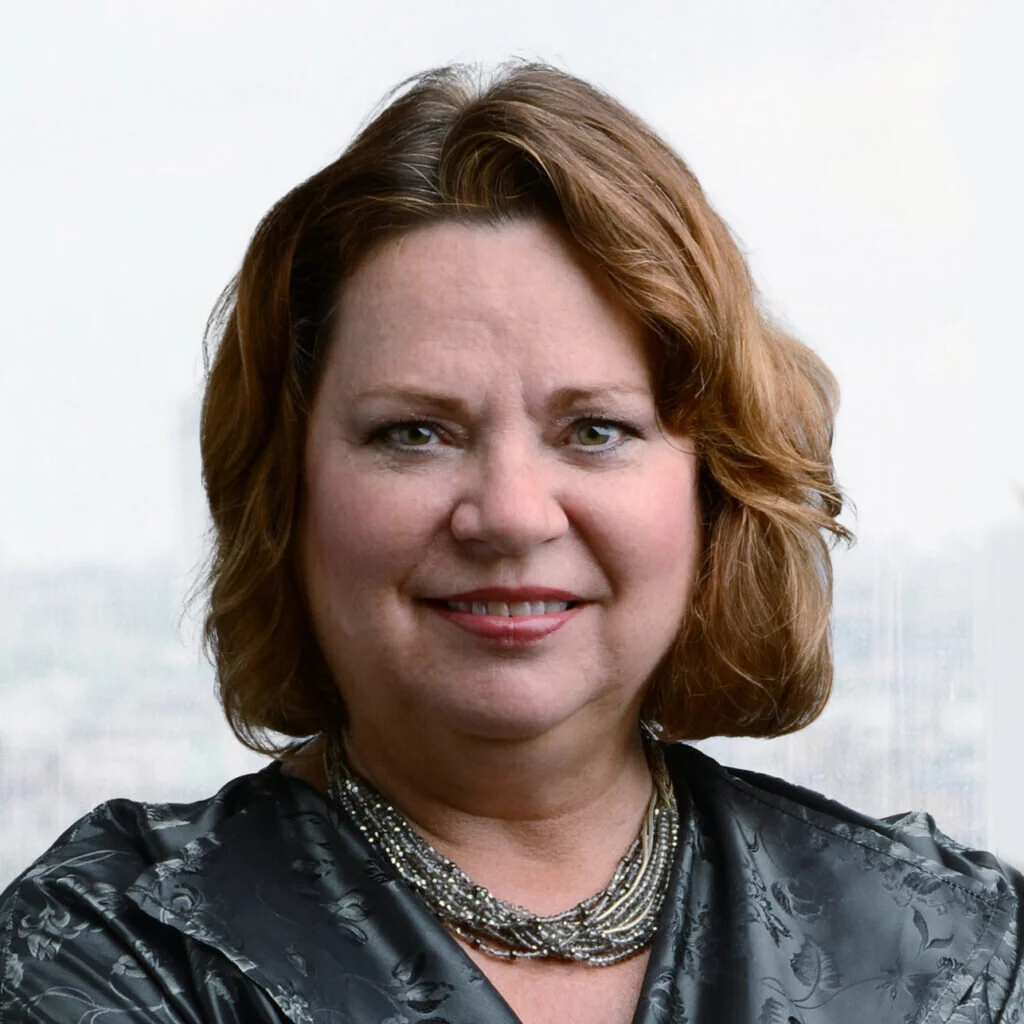
Sharon Tiknis
Chief Client Experience Officer, Alford Group
Sharon Tiknis has held leadership positions in the nonprofit sector for over 35 years, developing distinguished philanthropic programs and assembling influential volunteer leaders to build organizational capacity and drive results. Having worked previously with Alford Group, Sharon returned to the firm in 2014.