

Black History Month 2026: From the Streets of Selma to the Snows of Minnesota
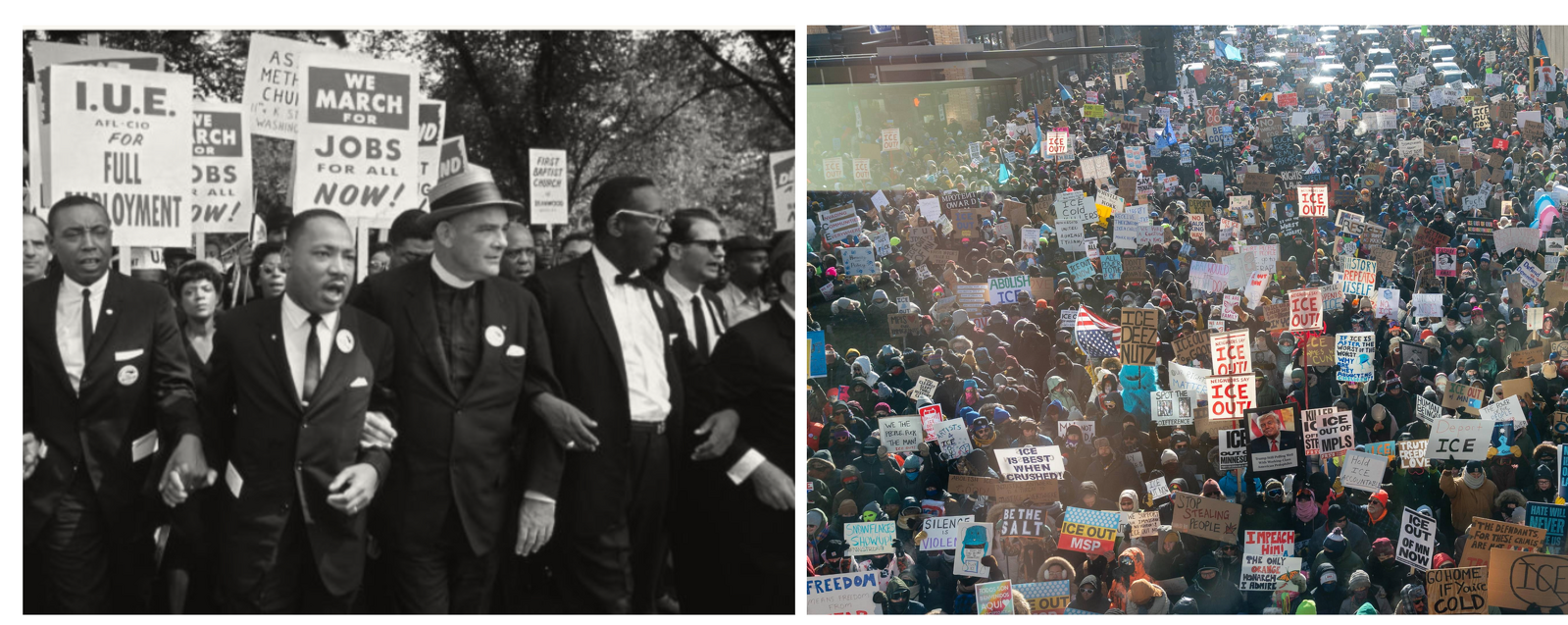
1963 Robert W. Kelley/Time Life Pictures/Getty Images, 2026 Lorie Shaull Creative Commons Attribution 4.0 International license
As we move through Black History Month 2026, the connection between our past and our present has never been more visible. When we look at the legacy of the Civil Rights Movement, we are not just looking at a series of historical events; we are looking at the blueprint for how marginalized people and their allies “cut the curb” for the entire nation.
Today, that blueprint is being put to the test in the Twin Cities. The current situation in Minnesota—where local communities and people from across the nation are standing in the subzero cold to shield their immigrant neighbors from federal overreach—is a modern-day echo of the freedom marches of the 1960s.
It is a reminder that the fight for Black liberation has always been the engine that drives civil rights for everyone.
The “Curb-Cut Effect” tells us that when we solve a problem for the most vulnerable, we solve it for the whole. In Minnesota right now, this is playing out in a profound way:
- Protecting Neighbors, Protecting Rights: When activists and faith leaders in Minneapolis stand between federal agents and immigrant families, they are not just protecting individuals from deportation, they are defending the Fourth Amendment—the right of all Americans to be free from unreasonable searches and seizures.
- The Power of the General Strike: The recent “Day of Truth and Freedom” in January—the first general strike in the U.S. in 80 years—showed that when we withhold our labor in solidarity with the marginalized, the entire economic system pauses.
- Intersectionality in Action: We see Black-led organizations, labor unions and local mayors standing together. They recognize that if a federal agency can operate with impunity against an immigrant in a Target parking lot, they can do it to any resident on their porch or a student at school.
By fighting for the safety of one group, Minnesotans are reinforcing the constitutional floor for every American.
When the Civil Rights Movement broke the back of Jim Crow, it did not just help Black Americans; it gave us the Immigration Act of 1965, the Fair Housing Act, and the frameworks we use today to fight for gender equality and disability rights.
“Injustice anywhere is a threat to justice everywhere. We are caught in an inescapable network of mutuality, tied in a single garment of destiny.” — Dr. Martin Luther King Jr.
When one community stands up against a specific injustice today, they are essentially cutting the curb for the next group. They are building the legal frameworks, the cultural empathy and the social courage that will eventually benefit us all.
Black History Month 2026 is not just about looking back at black-and-white photos; it is about recognizing the living history being written by people who refuse to stay silent.
The momentum we feel right now through shared protests, the courageous acts of support, the intersectional organizing, is proof that we are tired of the zero-sum myth. We are finally realizing that human rights are not a pie; if someone gets a slice, it does not mean there is less for you. It means the bakery is finally open for business.
This month, let your celebration of Black history be an active participation in the present.
- Support groups like Indivisible or invest in causes that support a stronger more diverse economy and world for all of us.
- In many cities, “Know Your Rights” observers are documenting enforcement actions. Simply being a witness is a powerful way to cut the curb for someone who is being targeted.
- Support local and national Black leaders at every level who prioritize human dignity and accountability as they work to build a more just society.
The Civil Rights Movement taught us how to march. Minnesota is teaching us how to stay.
Don’t just watch history—help build it.
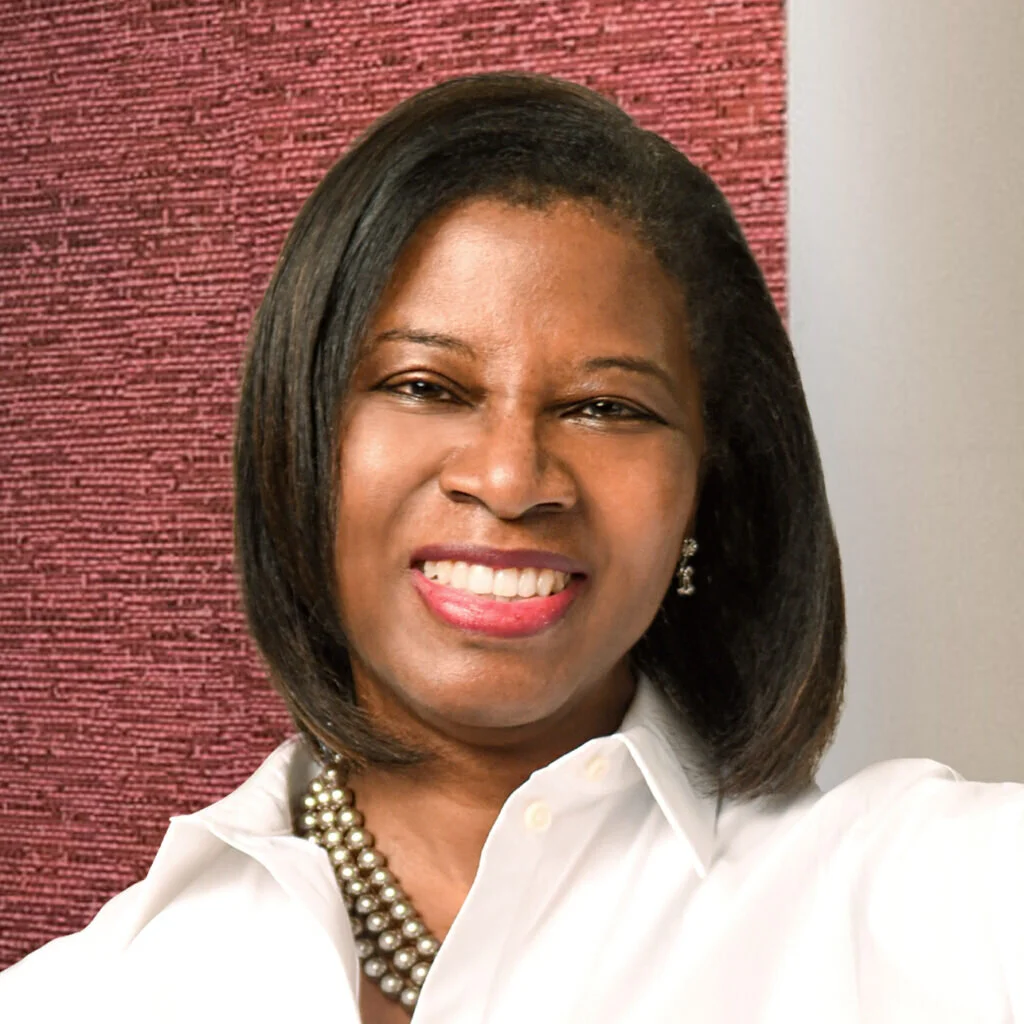
Brenda B. Asare
President & CEO, Alford Group
Brenda B. Asare joined Alford Group in 2004 and assumed the role of President & CEO in 2014. Brenda brings nearly 30 years of management experience across sectors. She has assisted clients in raising over $2 billion, focusing on campaign execution, strategic planning, corporate partnerships, board leadership development and organizational design.