

Giving USA 2026: Key Findings and Strategic Insights
On July 29, 2026, Alford Group hosted Giving USA 2026: Rewriting the Philanthropic Playbook. Sharon Tiknis, Chief Client Experience Officer was joined by Danielle Vance-McMullen, PhD (Assistant Professor, School of Public Service, DePaul University; Co-Founder, Donor Advised Fund Research Collaborative) to explore what the latest Giving USA findings reveal about how philanthropy is evolving.
In the panel that followed, panelists Laura Coy (Partner, Head of Philanthropy & Sustainability, William Blair & Company) Stephanie Ellis-Smith (Founder & CEO, Phīla Engaged Giving) and Cecilia Conrad, PhD (Founding CEO, Lever for Change) joined Alford Group’s President & CEO Brenda Asare to share perspectives from their work at the forefront of philanthropy, donor engagement, corporate giving, research, and social innovation.
The full webinar can be viewed here.
For more than 60 years, Giving USA: The Annual Report on Philanthropy has been most comprehensive report on philanthropy in the United States. Its annual findings chronicle the economic, legislative, technological, and demographic forces that shape the philanthropic landscape.

The 2026 report on giving in 2025 represents the collective generosity of more than 53 million households, 16 million corporations, one million estates, and about 82,000 foundations who gave to more than 1.5 million charitable and religious organizations. The report’s researchers at the Indiana University Lilly Family School of Philanthropy found that in 2025, US giving reached $617.2B, the second highest total behind 2021 in inflation-adjusted dollars. Digging deeper into the findings:
- Giving by individuals comprised 64% of total giving—estimated to total $394.20 billion and representing an increase of 4.1% from 2024 adjusted for inflation. Gifts that made their first stop in a DAF are included in this category, and represent about $100B of individual giving.
- Giving by bequest accounted for 10% of all gifts and rose nearly 20% (16.6% adjusted for inflation) over 2024, the largest increase among the four sources of giving. It is important to note that 20% of bequest gifts came from estates valued at $1M or less.
- Foundation giving has increased year-over-year for the last 15 years. In 2025 foundations accounted for 19% of giving with an estimated $117.15 billion.
- Among all sources, giving by corporations has grown the most in the past five years and represented 7% of all giving and reached an estimated $43.67 billion in 2025, growing by 3.1%. This number includes significant in-kind contributions by pharma directly to patients.
Although donations are up by 5%, donors are down. For the fifth straight year, the overall number declined—in 2025, by 3.6%.
What can organizations do to increase giving among every day donors—the 96.6% of individuals who give at $5,000 and below—while still engaging their major donors?
To answer this question and more, Alford Group convened a distinguished panel of sector leaders operating at the forefront of philanthropy, donor engagement, corporate giving, research and social innovation. Below, they share their insights and translate these findings into actional strategies.
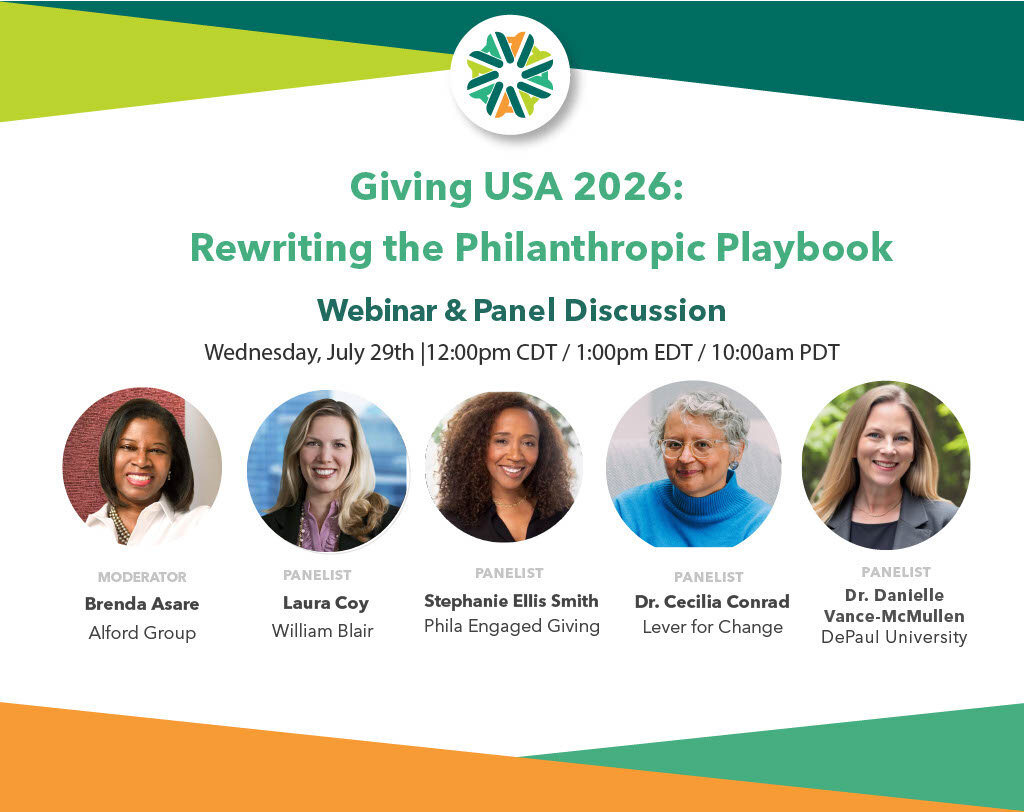
Engagement is Key
Panelist Stephanie Ellis-Smith (Founder & CEO, Phīla Engaged Giving) advised, “Savvy fundraisers aren’t choosing between every day and major donors. While you’re stewarding the major donors, make it easier for the every day donor to participate through giving channels, outreach, and advocacy. Create a sense of belonging and show people why their participation matters.“
Laura Coy (Partner, Head of Philanthropy & Sustainability, William Blair & Company) agreed: “Engagement is not just a keyword in fundraising, but in families.” Citing the Great Wealth Transfer of $100 trillion, she explained: For the next generation, it’s not just about writing the check. They want involvement on boards and committees and opportunities for volunteerism. She also noted a growing increase in gifts from IRA minimum required distributions: “Become more sophisticated in terms of the engagement and the types of philanthropy you’re able to attract.”
Legacy Giving: Doing Good in the Present While Honoring the Past
With bequest giving on the rise and The Great Wealth Transfer of an estimated $124 trillion in its beginning stages, how can we help families rewrite the playbook so the past doesn’t trap the future?
Stephanie affirmed that it takes time, and that discussions on legacy and values tend to begin with succession planning or a new influx of capital.
Cecilia Conrad, PhD (Founding CEO, Lever for Change, added, “We’re hearing from more partners who want to give and want to give fast. People are seeing their wealth grow at a much faster pace than expected, and are more willing to give unrestricted gifts. At Lever for Change, we’ve seen families use our Open Calls as an opportunity to have conversations about meaningful giving.”
Laura agreed: “A lot of families are bringing their children to the table and using philanthropy to teach their children about fiduciary responsibility. I’m excited because the next generation wants to be present and use the capital for good while honoring the legacy of their families.” She added that many members of the next generation are working professionals, and organizations should work to engage them and employ their expertise to advance their missions.
Leveraging for Good
The Giving USA report noted a significant increase in donations to human services organizations in 2025, a year that marked significant policy changes and cuts to programs that impact the social safety net, creating new problems for communities and organizations alike.
Stephanie noted, “We’ve seen an increase in families wanting to invest in democracy. Folks are feeling emboldened and ready to put their dollars to work in different ways.”
Cecelia affirmed that she has seen the same patterns and noted that when organizations were hit with cuts, it demonstrated the importance of diversified funding. Organizations with balanced revenue streams are better equipped to weather uncertainty and respond to changing needs.

Navigating the future
What else can organizations do in the next year to navigate the evolving philanthropic landscape?
Cecelia emphasized, “Think about making your organization AI literate. In what ways can we make ourselves more efficient and do our jobs better?” Of equal importance, she added, is to consider how AI will change the community and how we work differently.
Stephanie suggested, “Talk to your most loyal donors about investing in you and your staff.” This includes succession planning, professional development and living wage salaries. “Donors are starting to view themselves as partners rather than funders. You can share challenges as well as successes.”
Laura encouraged, “Be bold. These are huge, exciting times in terms of the problems we have and our ability to solve them.”
And, perhaps most importantly, she added:
“Take care of yourselves. This an emotional field that is challenging but very exciting.”
Putting the Insights into Action
Unpacking national philanthropic data is only the first step—the real power lies in using these macro trends to rewrite your organization’s philanthropy playbook. As you refine your strategy for the road ahead, consider these four immediate moves for your development program and team:
- Use the report as a mirror. Investigate where your revenue trends diverge from national averages, share these insights with your board and staff, and leverage the landscape to uncover new giving opportunities.
- Engage Donor-Advised Fund holders year-round by inviting repeat or recurring gifts, establishing gift tracking that ensures tailored stewardship and encouraging donors to name your organization as a successor beneficiary.
- Ramp up legacy and bequest conversations now. Invest in a dedicated planned giving program and create an immediate seat at the table for NextGen donors through associate boards, working committees and skills-based volunteer roles.
- Align with today’s more intentional donors and funders by prioritizing transparency, accountability, and clear evidence of outcomes that prove how their investment drives shared goals.
Stay tuned for our upcoming blog, where Alford Group and Dr. Danielle Vance McMullen share actionable insights on maximizing Donor-Advised Funds to accelerate year-round giving!
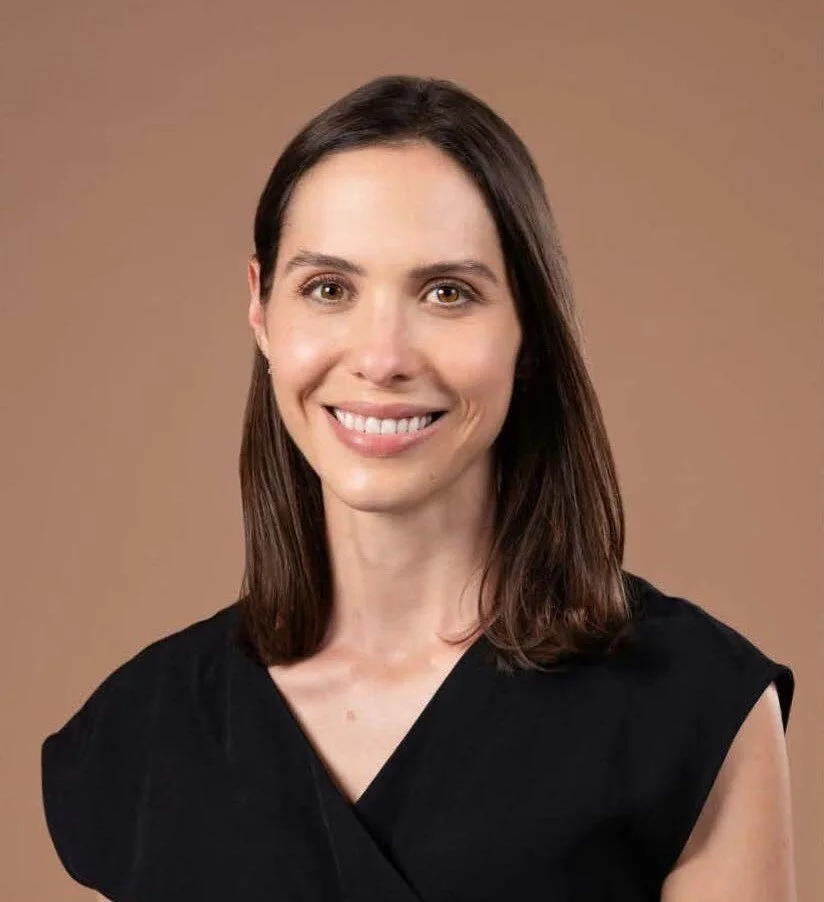
Lauren Ranson
Consultant, Alford Group
Lauren Ranson’s decade of experience at arts and cultural institutions across the country has provided her with a deep understanding of annual fundraising, development operations, and donor stewardship.
Lauren holds an MA in Arts Management from the Drucker School of Management at Claremont Graduate University, and is currently pursuing an Executive Certificate in Nonprofit Management from the Kellogg School of Management at Northwestern University to further expand her expertise in best practices and emerging trends.
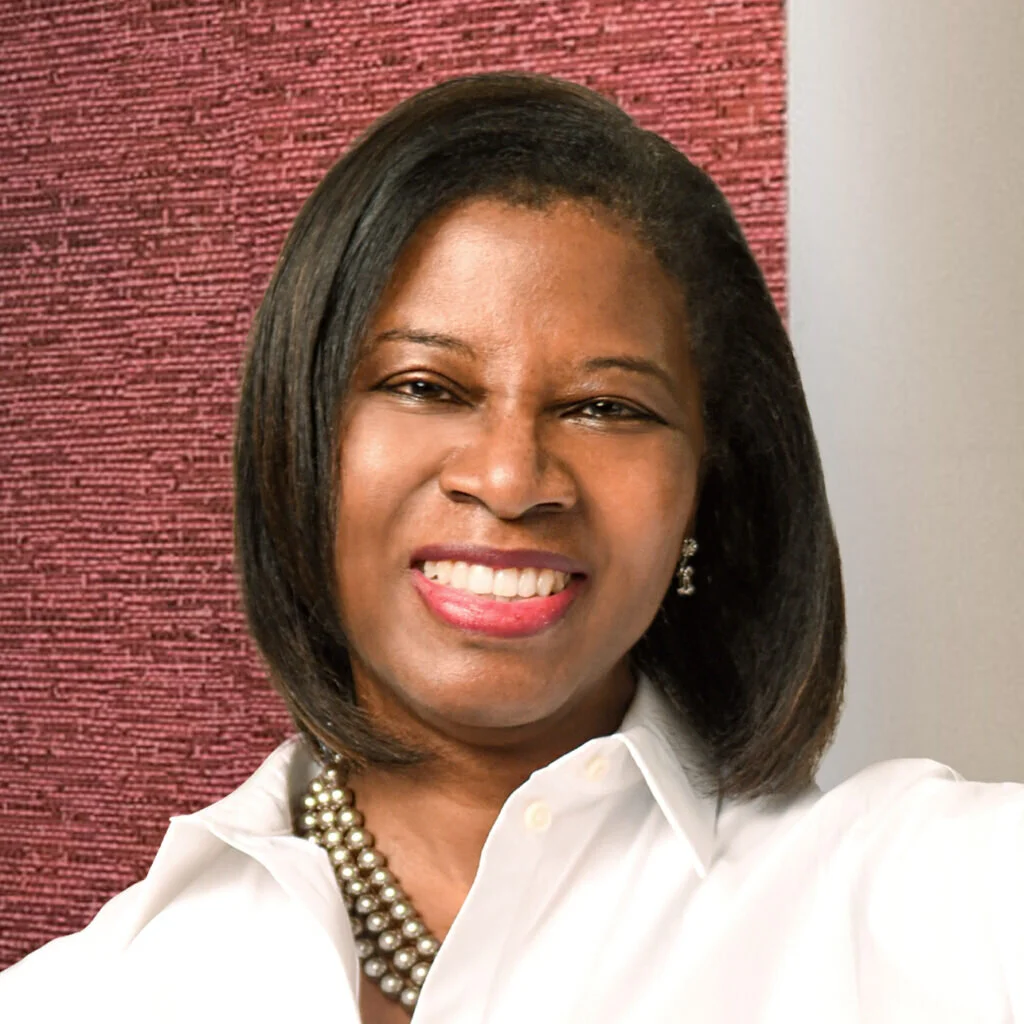
Brenda B. Asare
President & CEO, Alford Group
Brenda B. Asare joined Alford Group in 2004 and assumed the role of President & CEO in 2014. Brenda brings nearly 30 years of management experience across sectors. She has assisted clients in raising over $2 billion, focusing on campaign execution, strategic planning, corporate partnerships, board leadership development and organizational design.